 Bỏ qua nội dung




Tỷ lệ bóng đá – Kèo nhà cái trực tiếp – Tylekeo nhà cái uy tín
Tỷ lệ bóng đá là trang web bongdaso chất lượng, chuyên cung cấp các thông tin kèo với dữ liệu bóng đá trực tuyến chuẩn thời gian thực. Truy cập ngay, bạn có thể theo dõi bảng odds với đa dạng tỷ lệ từ chấp Châu Á, 1X2 đến tài xỉu, ngoài ra còn có kiểu thị 3in1 như TL HK, INDO, MALAY, US, CN,… Bên cạnh đó, Tylebongda cũng cập nhật đa dạng tiện ích khác là lịch thi, BXH, kết quả bóng đá và tin thể thao 24/24.
Giới thiệu trang tỷ lệ bóng đá
Trang Tỷ lệ bóng đá là website chuyên tổng hợp và cập nhật tỷ lệ kèo bóng đá hôm nay – ngày mai hàng đầu hiện nay. Nền tảng cung cấp đầy đủ các loại kèo phổ biến như Châu Á, Châu Âu, tài xỉu cùng thông tin lịch thi đấu, kết quả, bảng xếp hạng với dữ liệu thống kê liên quan đến từng trận đấu chuẩn thời gian thực.
Bên cạnh bảng odds real-time, trang Tylebongda còn cung cấp các tính năng phân tích hỗ trợ soi kèo miễn phí. Các dữ liệu về phong độ đội bóng, lịch sử đối đầu, tình hình lực lượng, chỉ số xG,… và nhận định chuyên môn được cung cấp chi tiết, giúp bạn có góc nhìn toàn diện về trận đấu trước khi đưa ra quyết định.
Tiêu chí hoạt động hàng đầu của trang Tỷ lệ bóng đá kèo nhà cái là 3K, gồm:
- KHÔNG quảng cáo: Trang không chèn banner, link dẫn hay nội dung quảng bá cho bất kỳ nhà cái nào, giúp người xem tiếp cận thông tin tỷ lệ kèo một cách trung thực, không bị chi phối bởi yếu tố thương mại.
- KHÔNG thu phí: Toàn bộ dữ liệu về tỷ lệ bóng đá, lịch thi đấu, kết quả và biến động kèo đều được cung cấp hoàn toàn miễn phí, bạn có thể truy cập sử dụng mà không cần đăng ký hay trả bất kỳ khoản phí nào.
- KHÔNG chịu sự quản lý bởi bên nào khác: Hoạt động độc lập, không liên kết lợi ích với nhà cái hay tổ chức trung gian, từ đó trang web đảm bảo thông tin hiển thị mang tính khách quan, phản ánh đúng diễn biến thị trường.
Hiểu đúng thuật ngữ tỷ lệ kèo bóng đá là gì
Tỷ lệ kèo bóng đá trực tuyến là hệ thống con số và ký hiệu do nhà cái công bố trước mỗi trận đấu, nhằm xác định mức độ chênh lệch giữa hai đội, qua đó quy ước rõ cách tính thắng – thua cho người chơi. Những con số này thể hiện rõ đội cửa trên, đội cửa dưới, mức chấp bàn thắng hoặc tổng số bàn dự kiến trong trận.
Ví dụ: Với kèo Châu Á, tỷ lệ chấp 0.5, 1 hay 1.25 cho thấy đội mạnh hơn phải thắng cách biệt (x) bàn thì người chơi mới thắng kèo.
Việc hiểu đúng thuật ngữ tỷ lệ bóng đá đồng nghĩa với việc bạn nắm rõ cách đọc và ý nghĩa của từng loại kèo phổ biến. Kèo Châu Âu 1X2 tập trung vào kết quả thắng – hòa – thua với tỷ lệ ăn tương ứng, trong khi tài xỉu dựa trên tổng số bàn thắng của cả 2 đội. Khi phân tích đúng, người chơi có thể so sánh mức độ rủi ro của từng lựa chọn.
Biến động và tầm quan trọng của tỷ lệ kèo
Biến động tỷ lệ bóng đá nhà cái thể hiện sự điều chỉnh liên tục của nhà cái trước các yếu tố ảnh hưởng trực tiếp đến trận đấu và xu hướng đặt cược của người chơi. Việc bám sát diễn biến kèo giúp bạn đánh giá mức độ an toàn của odds trước giờ G.
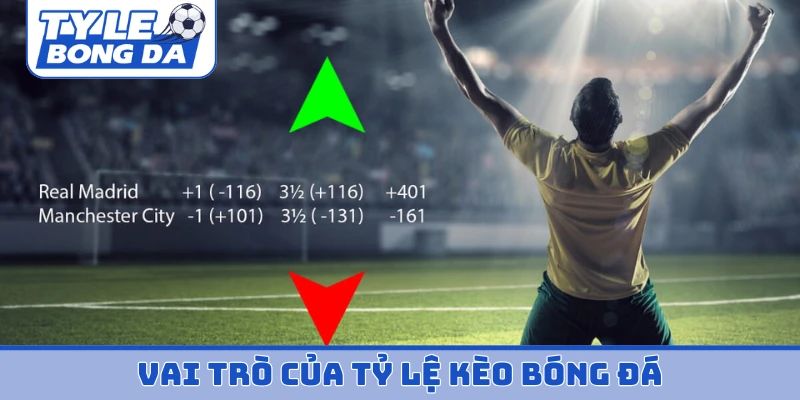
- Phản ánh thông tin nội bộ trận đấu: Khi có tin tức về cầu thủ chấn thương, thẻ phạt, đội hình ra sân hoặc lịch thi đấu dày, tỷ lệ kèo sẽ thay đổi để phù hợp với tình hình thực tế của hai đội.
- Cho thấy đánh giá của nhà cái: Mỗi lần kèo tăng giảm đều đi kèm với sự điều chỉnh về mức chấp hoặc tỷ lệ ăn, qua đó thể hiện quan điểm của nhà cái về khả năng thắng thua của từng cửa cược.
- Thể hiện xu hướng đặt cược của thị trường: Kèo biến động mạnh thường xuất hiện khi lượng người chơi dồn tiền vào một cửa nhất định, điều này buộc nhà cái phải cân bằng lại tỷ lệ để giảm thiểu rủi ro.
- Hỗ trợ người chơi lựa chọn thời điểm vào kèo: Việc quan sát kèo sớm và kèo trước trận giúp người chơi cân nhắc nên tham gia ở giai đoạn nào để có mức tỷ lệ phù hợp với nhận định cá nhân.
Các loại kèo – tỷ lệ bóng đá phổ biến cần nắm rõ
Các loại tỷ lệ cược bóng đá được nhà cái cung cấp nhằm dự nhiều kịch bản khác nhau của một trận đấu, từ kết quả thắng thua đến số bàn thắng hay tình huống phát sinh.
Soi kèo chấp xem tỷ lệ bóng đá Châu Á
Tỷ lệ Châu Á là hình thức cược dựa trên mức chấp bàn thắng mà nhà cái đưa ra để cân bằng sức mạnh giữa hai đội. Đội được đánh giá mạnh hơn sẽ “chấp” bàn (cửa trên), còn đội yếu hơn là đội được chấp (cửa dưới). Kết quả thắng – thua kèo được tính sau khi cộng/trừ mức chấp này vào tỷ số cuối cùng của trận đấu.

| Mức kèo | Chọn cửa trên (chấp) | Kết quả cược | Chọn cửa dưới (được chấp) | Kết quả cược |
| 0 | Thắng | Thắng | Thắng | Thắng |
| Hòa | Hòa tiền | Hòa | Hòa tiền | |
| -0.25 / +0.25 | Thắng | Thắng | Thắng | Thắng |
| Hòa | Thua nửa | Hòa | Thắng nửa | |
| -0.5 / +0.5 | Thắng | Thắng | Hòa | Thắng |
| Hòa | Thua | Thua | Thua | |
| -0.75 / +0.75 | Thắng ≥ 2 | Thắng | Hòa | Thắng |
| Thắng 1 | Thắng nửa | Thua 1 | Thua nửa | |
| -1 / +1 | Thắng ≥ 2 | Thắng | Hòa | Thắng |
| Thắng 1 | Hòa tiền | Thua 1 | Hòa tiền | |
| -1.5 / +1.5 | Thắng ≥ 2 | Thắng | Hòa / Thua 1 | Thắng |
| -2 / +2 | Thắng ≥ 3 | Thắng | Hòa / Thua 1 | Thắng |
Xem tỷ lệ bóng đá Châu Âu (1X2)
Xem tỷ lệ bóng đá Châu Âu, còn gọi là kèo 1X2, là hình thức cược dựa trực tiếp vào kết quả cuối cùng của trận đấu trong 90 phút thi đấu chính thức (không tính hiệp phụ và loạt sút luân lưu). Loại kèo này không áp dụng chấp bàn như kèo Châu Á, vì vậy cách đọc và cách chơi khá đơn giản, phù hợp với cả người mới.
- 1: Đội chủ nhà chiến thắng sau 90 phút thi đấu chính thức.
- X: Hai đội hòa nhau sau khi kết thúc thời gian thi đấu.
- 2: Đội khách giành chiến thắng sau 90 phút thi đấu chính thức.
Đọc kèo Tài xỉu dự đoán tổng số bàn thắng
Kèo Tài xỉu là hình thức cược dựa trên tổng số bàn thắng của cả 2 đội sau 90 phút thi đấu chính thức, không quan tâm đội nào thắng/thua. Nhà cái sẽ đưa ra một mốc bàn thắng nhất định, người chơi chỉ cần dự đoán tổng bàn thắng của trận đấu sẽ nhiều hơn (Tài) hay ít hơn (Xỉu) so với mốc đó. Cụ thể:
| Mốc bàn thắng | Kết quả trận đấu | Đặt Tài (Over) | Đặt Xỉu (Under) |
| 2 bàn | 1 bàn hoặc ít hơn | Thua | Thắng |
| Đúng 2 bàn | Hòa tiền | Hòa tiền | |
| 3 bàn trở lên | Thắng | Thua | |
| 2.25 bàn (2-2.5) | 2 bàn | Thua nửa tiền | Thắng nửa tiền |
| 3 bàn trở lên | Thắng | Thua | |
| 2.5 bàn | 2 bàn trở xuống | Thua | Thắng |
| 3 bàn trở lên | Thắng | Thua | |
| 2.75 bàn (2.5-3) | Đúng 3 bàn | Thắng nửa tiền | Thua nửa tiền |
| 4 bàn trở lên | Thắng | Thua | |
| 3 bàn | Đúng 3 bàn | Hòa tiền | Hòa tiền |
| 4 bàn trở lên | Thắng | Thua |
Các loại cược phụ phổ biến
Ngoài các tỷ lệ chính là Châu Á, Châu Âu hay tài xỉu, người chơi còn có thể lựa chọn nhiều loại kèo phụ khác để cược kết hợp tăng tiền thưởng khi thắng.
- Tỷ lệ cược phạt góc (Corner Bet): Dựa trên tổng số quả phạt góc của cả trận hoặc từng hiệp, cũng có thể cược phạt góc chấp, tài xỉu phạt góc.
- Dự đoán kèo thẻ phạt (Cards Bet): Tính theo số thẻ vàng, thẻ đỏ mà hai đội nhận được, có thể cược tổng thẻ, thẻ chấp hoặc đội nhận nhiều thẻ hơn.
- Chơi tỷ lệ cược rung (Live Odds): Là hình thức cược diễn ra trong lúc trận đấu đang diễn ra, tỷ lệ odds thay đổi liên tục theo từng tình huống trên sân.
- Cược hiệp 1 / hiệp 2: Dự đoán kết quả, tài xỉu hoặc tỷ số chỉ tính trong từng hiệp đấu riêng biệt.
- Kèo đội ghi bàn trước: Dự đoán đội bóng sẽ mở tỷ số trong trận đấu.
- Dự đoán tỷ số chính xác: Đặt cược tỷ số cuối cùng của trận đấu trong 90 phút.
- Kèo cầu thủ: Cược cầu thủ ghi bàn, kiến tạo hoặc nhận thẻ phạt trong trận.
- Cược chẵn lẻ bàn thắng: Dự đoán tổng số bàn thắng là số chẵn hay số lẻ.
Kinh nghiệm theo dõi tỷ lệ bóng đá nhà cái – bắt kèo thơm
Theo dõi tỷ lệ bóng đá nhà cái đúng cách giúp người chơi nhận ra đâu là kèo có tỷ lệ thắng cao đồng thời, tránh tình trạng vào tiền cho nhiều trận nhưng không ăn được kèo nào. Việc quan sát thời điểm ra kèo, sự chênh lệch giữa các nhà cái uy tín sẽ giúp bạn thấy rõ kèo thơm.
Nắm rõ cách đọc từng loại kèo bóng đá
Việc nắm rõ cách đọc của từng loại kèo như kèo Châu Á, Châu Âu, Tài xỉu,… giúp bạn theo dõi tỷ lệ bóng đá nhà cái thuận tiện hơn. Mỗi loại kèo có cách tính thắng thua, hòa tiền hoặc thắng thua nửa tiền khác nhau, nếu đọc sai rất dễ dẫn đến quyết định thiếu chính xác.
Ví dụ: Với kèo Châu Á -0.25, nếu đội cửa trên thắng sát nút thì người chơi thắng đủ tiền, nhưng nếu hòa sẽ thua nửa tiền. Trong khi đó, ở kèo tài xỉu 2.5, chỉ cần trận đấu có từ 3 bàn thắng trở lên là cửa tài thắng hoàn toàn, không tồn tại trường hợp hòa tiền.
Phân tích yếu tố có khả năng ảnh hưởng đến odds
Tỷ lệ bóng đá hôm nay không cố định mà thay đổi dựa trên nhiều yếu tố như lực lượng ra sân, phong độ gần đây, lịch thi đấu, sân bãi và thậm chí là thời tiết. Nhà cái luôn điều chỉnh tỷ lệ dựa trên những thông tin mới nhất để cân bằng rủi ro. Nếu bỏ qua các yếu tố này, người chơi dễ bắt nhầm kèo ảo.
Ví dụ: Một đội bóng được đánh giá cao nhưng mất tiền đạo chủ lực trước giờ bóng lăn, odds thắng có thể giảm rõ rệt. Trường hợp này cho thấy nhà cái đã điều chỉnh lại đánh giá sức mạnh dựa trên thông tin đội hình thực tế.
Theo dõi biến động tỷ lệ bóng đá trước trận
Biến động tỷ lệ trước trận là dấu hiệu quan trọng phản ánh xu hướng đặt cược của thị trường. Khi kèo dịch chuyển mạnh trong thời gian ngắn, thường có nguyên nhân cụ thể như dòng tiền lớn đổ vào một cửa. Ví dụ: Kèo ban đầu đội chủ nhà chấp -0.5 nhưng giảm xuống -0.25 trước giờ bóng lăn, cho thấy tỷ lệ thắng của cửa trên thấp.
Kết luận
Tỷ lệ bóng đá phản ánh chính xác cách nhà cái đánh giá cục diện, phong độ và khả năng thắng thua của mỗi trận đấu. Khi hiểu đúng cũng như theo dõi sát sao biến động của tỷ lệ kèo, người chơi có thể nắm bắt mọi diễn biến thị trường, xu hướng đặt cược từ đó, đưa ra nhận định dựa trên cơ sở rõ ràng.
bài viết gần đây

Mẹo Kiểm Soát Cảm Xúc Khi Cá Cược – Top 3 Cách Giữ Đầu Lạnh
Mẹo kiểm soát cảm xúc khi cá cược có vai trò quyết định đến sự [...]
Th2

Tiểu Sử Cầu Thủ Nguyễn Đình Bắc – 4 Cột Mốc Vàng Sự Nghiệp
Tiểu sử cầu thủ Nguyễn Đình Bắc trở thành chủ đề thu hút đông đảo [...]
Th2

Soi Kèo Theo Đội Hình Ra Sân – Chìa Khóa X2 Tỷ Lệ Thắng
Soi kèo theo đội hình ra sân là bước đi tiên quyết giúp giới mộ [...]
Th2

Soi Kèo Theo Biến Động Tỷ Lệ – Bí Quyết Đọc Vị Thị Trường
Soi kèo theo biến động tỷ lệ đứng đầu danh sách kỹ năng quan trọng [...]
Th2

Rikvip – Hành Trình Khẳng Định Vị Thế Ông Vua Giải Trí
Rikvip từ lâu đã khẳng định vị thế vững chắc trong lòng giới mộ điệu [...]
Th2

Phân Tích Đội Trước Trận Đấu – Mẹo Soi Kèo Về Bờ Nhanh
Phân tích đội trước trận đấu là bước chuẩn bị quan trọng nhất mà bất [...]
Th2

Nhận định kèo bóng đá chuẩn: Bí quyết làm chủ mọi cuộc chơi
Nhận định kèo bóng đá chuẩn là nền tảng cốt yếu mà mọi tay chơi [...]
Th2

Kinh Nghiệm Soi Kèo Trận Derby – Giải Mã Trận Cầu Rực Lửa
Kinh nghiệm soi kèo trận derby luôn mang lại sức hút mãnh liệt nhờ tính [...]
Th2